Last verified: 6 October 2026. Campus healthcare arrangements follow the standard Sainik Schools Society pattern (MI Room under a medical officer) and current school recruitment notices; facilities vary somewhat from school to school — where a detail varies, we say so.
Here’s the question every parent asks us, usually in a quiet voice, after all the questions about cutoffs and fees are done: “If my child falls ill at 2 in the night, 500 kilometres from home — who will look after him?”
It’s the right question. And it has a reassuring answer — plus a few honest caveats you should know.
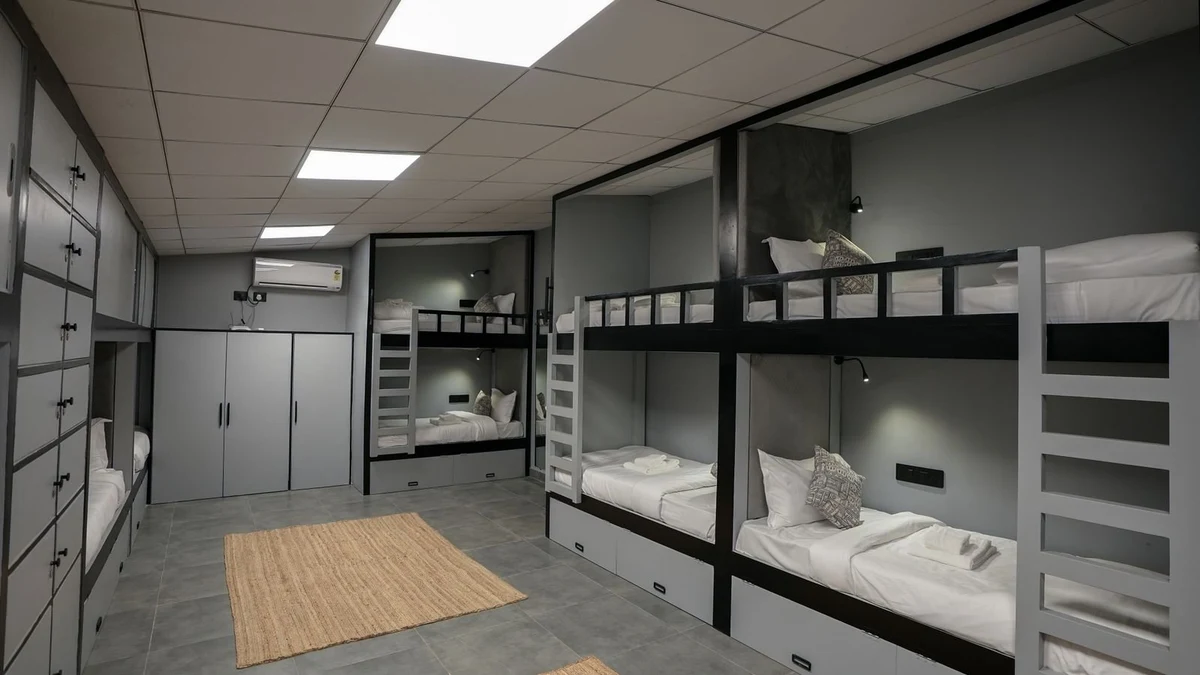
Every Sainik School runs a Medical Infirmary — the MI Room. It’s the campus clinic, and it is managed by a medical officer (in most schools a doctor on deputation or contract), supported by nursing sisters, ward boys, and attendants. The MI Room’s presence is baked into how the school is organised — at Sainik School Kazhakootam, for instance, the MI Room under its medical officer sits alongside the mess, estates and academic departments in the school’s administration. And this isn’t a ceremonial post: right now, Sainik Schools at Satara, Kunjpura and Tilaiya are actively recruiting medical officers and nursing sisters on campus — a live signal that these roles are staffed, year after year.
What does the MI Room typically handle? Fevers, stomach upsets, headaches, sprains and bruises from the PT ground, minor cuts — the everyday ailments of 500-odd growing boys (and girls) living together. New Sainik Schools publish their infirmary playbook openly: first-aid kits, thermometers, BP monitors, oxygen cylinders and nebulisers for respiratory trouble, ice and hot packs for sports injuries, and medication administered per school policy and parental consent. The 33 established schools run on the same pattern, though the equipment list varies a little by campus.
So — your child wakes with a fever at 2 am. What actually happens?
That’s the pattern. It is deliberately boring, the way good safety systems are.
Before any of this, there’s a filter most families underestimate. Admission to a Sainik School includes a medical fitness examination — it is part of the selection itself, not a formality after it. Children who clear the written exam and counselling must be declared medically fit per the Sainik Schools Society’s standards before the seat is confirmed. We’ve written a full guide to what that medical test checks — read it before your child sits for it, because correctable issues (vision, dental, weight) deserve attention months in advance, not days.
Healthcare on campus isn’t only reactive. Schools conduct periodic medical examinations of cadets during the session — height, weight, vision checks — and maintain medical records for each student so the MI Room has a health history to work from. Vaccination drives and hygiene-awareness programs run in coordination with health authorities. The kitchen side of health matters too: the mess menu and nutrition system is designed around growing cadets doing daily PT — food is part of the health infrastructure, not separate from it.
Now the part where honesty matters more than reassurance. Physical healthcare on campus is solid and standardised. Mental-health support is not. Dedicated counsellors vary from school to school — some have them, many rely on housemasters and senior teachers for pastoral care. The house system means your child is watched closely by adults who know him, which catches a lot. But if your child is prone to anxiety, homesickness that goes beyond the first fortnight, or anything deeper, ask the school directly on admission day what exists. Our guide on bullying in boarding schools covers the harder side of residential life and how to keep the conversation open with your child from home.
Print this. Ask these at the school, in person:
Schools respect parents who ask these. It signals you’re a partner in your child’s care, not a worrier — and the answers go into your phone, where they belong.
The school’s system works best when you feed it. On admission day, hand over a written medical history: allergies, asthma, past surgeries, spectacles, regular medication, blood group. Keep your own phone reachable at night — the school’s 2 am call is only useful if someone picks up. And keep the contact numbers updated; parents change numbers more often than they think.
Your child will fall ill at school. Probably in the first term, probably a fever, probably nothing. When it happens, there will be a nurse, a bed, a doctor’s number, and a housemaster who knows your child’s name. That’s the whole point of the system — that 500 kilometres feels a lot shorter than it is.
Do Sainik Schools have a hospital or doctor on campus? Every Sainik School runs a Medical Infirmary (MI) Room managed by a medical officer, with nursing and ward staff. For anything beyond the MI room’s capacity, the school refers the child to a nearby hospital and informs the parents.
Who looks after my child if he falls ill at night in a Sainik School? The housemaster or duty staff takes the child to the MI room, where the medical officer or nurse attends to him. Serious cases are referred to a nearby hospital, and parents are contacted. Save the housemaster’s number from admission day.
Does the Sainik School do regular health checkups? Schools conduct periodic medical examinations of cadets during the session and keep medical records. An annual medical fitness exam is also part of the admission process itself — it is the entry gate, not just a formality.
Is there a counsellor for mental health in Sainik Schools? Dedicated mental-health counsellors vary from school to school — do not assume one exists. Most schools rely on housemasters and teachers for pastoral care. Ask the school directly on admission day what support exists.
Should I tell the school about my child’s medical history? Yes — on admission day, hand over a written medical history: allergies, asthma, past surgeries, spectacles, and any regular medication. The MI room keeps records for each cadet, and this document becomes its starting point.
Can I take my child home for treatment if he is seriously ill? Yes. Parents are informed in serious cases and can visit or take the child home for treatment. Check the school’s leave rules — emergency medical leave is generally granted promptly.
How helpful was this article?