Last verified: 6 October 2026. Institutional facts — CBSE Circular No. Acad.-17/2015 (dated 9 March 2015) on prevention of bullying and ragging, the mandated anti-bullying committee structure, and the 2018 Affiliation Bye-Laws requirement for a full-time school counsellor — are ✅ CONFIRMED from a Government of India (Ministry of Education / CBSE) record. Practical advice in this article is parenting guidance, not school policy — confirm each school’s exact procedures with the school itself.
This is the conversation parents have in whispers, not in open forums. You are about to send your eleven-year-old — your child, who still asks you to kill the cockroach in the bathroom — to live with older teenagers, far from home, in a place where seniors give orders and juniors obey. The question sits in every parent’s chest: what if someone picks on my child?
Let us answer it properly. Not with reassurance theatre, and not with fear. With what is actually in place, what you should actually watch for, and what you should actually do.
Sainik Schools are CBSE-affiliated. That matters here, because CBSE does not treat bullying as an internal matter to be handled quietly. Under CBSE Circular No. Acad.-17/2015 (dated 9 March 2015), the board issued detailed guidelines for the prevention of bullying and ragging in all its affiliated schools. Among other things, the circular provides for an Anti-Bullying Committee in the school — comprising the Vice-Principal, a senior teacher, the school doctor, the counsellor, a PTA representative, a management representative, a legal representative and peer educators — with the members’ names and contact numbers to be displayed on the school premises.
The circular also lays out a graded ladder of responses: oral and written warnings, suspension, withholding or cancelling results, a fine, transfer to another school — and expulsion or rustication, reserved for the rarest of rare cases. Separately, the CBSE Affiliation Bye-Laws 2018 require every secondary and senior secondary school to appoint a full-time counsellor and wellness teacher.
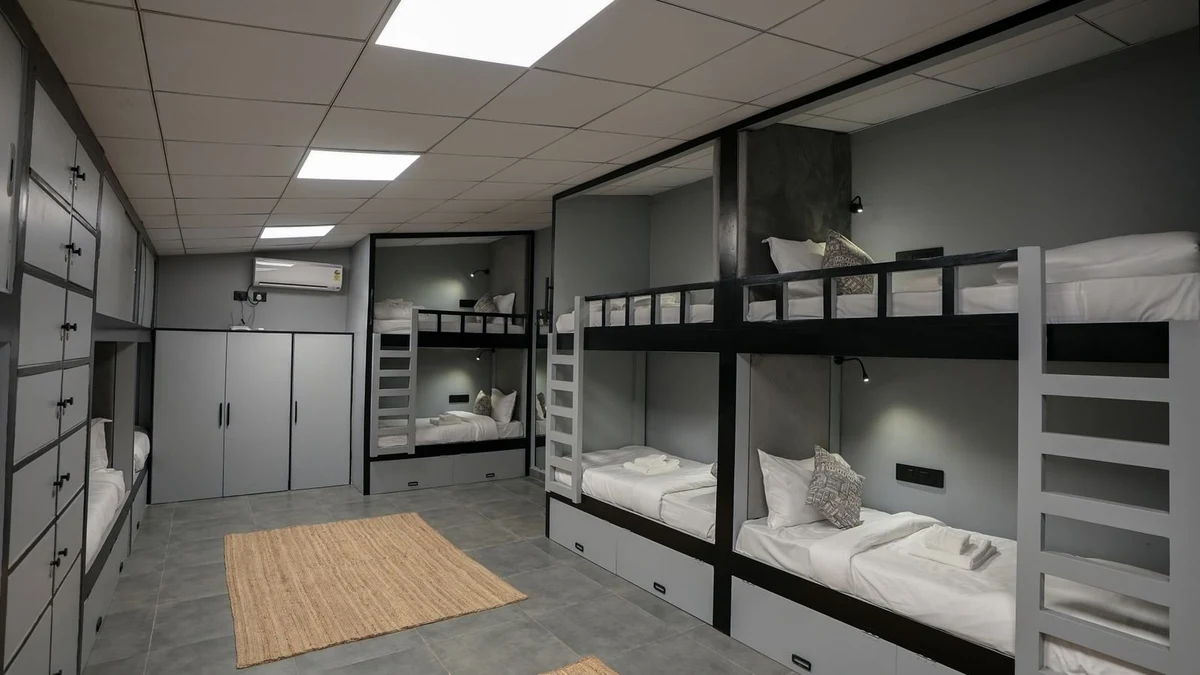
In a Sainik School this sits alongside the boarding structure itself: housemasters live with the cadets, and the senior-junior chain of command that worries parents is also the structure the school uses to keep order. The honest summary: the system has guardrails, and they are not decorative. But no system replaces a parent who is paying attention.
Children rarely say “I am being bullied.” They say “I don’t want to go back after the holidays,” or they stop calling, or their marks slide. Boarding makes this harder — you see your child on a screen or hear them on a call — so you have to read patterns, not moments.
| Sign | What it looks like on a call/home visit | When to worry |
|---|---|---|
| Reluctance to return | Dreads the end of vacations, invents reasons to stay | When it appears suddenly, not in the first month |
| Physical marks | Scratches, bruises, torn clothes, damaged belongings | Any unexplained injury — ask, don’t assume |
| Withdrawal | Short calls, monosyllabic answers, avoids friends’ names | When a chatty child goes quiet for weeks |
| Academic slide | Sudden drop in marks despite same effort | Correlates with other signs above |
| Appetite/sleep | Eating poorly, disturbed sleep, frequent headaches | Persistent, not exam-season noise |
| Money requests | Asks for extra cash without clear reason | Repeated requests that don’t add up |
One sign is a phase — homesickness, exam stress, a bad week. A cluster of three or more, persisting beyond a fortnight, is a signal. Write down what you observe with dates. If you ever need to escalate, a dated record of what you saw and when you reported it is the most powerful thing a parent can carry.
Don’t go to social media first. Don’t call the most senior person you know. The order matters, because skipping steps usually slows things down.
The strongest protection against bullying is a child who believes, bone-deep, that telling is not snitching. Build that before the first day:
If you’re weighing whether boarding life suits your child at all, our pieces on how strict discipline really is and the honest holiday calendar give you the day-to-day reality beyond the brochure. And the mobile phone rules explain exactly how your child can reach you — worth reading before you rely on that lifeline.
The aim was never a school with zero incidents. The aim is a school — and a family — where incidents surface fast, get named, and get handled. That is achievable. Most of it is on you.
Is bullying common in Sainik Schools? Boarding life is hierarchical — seniors and juniors live together — so friction can happen anywhere. But Sainik Schools are CBSE-affiliated, and CBSE’s 2015 guidelines require every affiliated school to run anti-bullying structures. What matters is not whether incidents ever occur, but how quickly and openly the school responds.
What is the difference between ragging and bullying? Ragging is initiation-style harassment by seniors of new students; bullying is repeated aggressive behaviour targeting a weaker or isolated student, physical or psychological. CBSE’s Circular No. Acad.-17/2015 covers both in affiliated schools, and schools can escalate from warnings and suspension to rustication in the rarest of rare cases.
What are the warning signs that my child is being bullied in the hostel? Watch for reluctance to return after vacations, sudden grade drops, damaged belongings or unexplained injuries, lost appetite or disturbed sleep, withdrawal from calls home, and requests for extra money without a clear reason. One sign is a phase; a cluster of them is a signal.
Who should parents contact if their child is bullied in a Sainik School? Start with the housemaster (the hostel’s resident staff member) and the school counsellor — CBSE affiliation rules require a full-time counsellor in every secondary school. If the response is inadequate, escalate to the Vice-Principal or Principal, and then to the school’s anti-bullying committee, whose members’ names and contact numbers must be displayed on school premises.
Can my child call home freely if something goes wrong in the hostel? Policies vary by school — most Sainik Schools restrict personal mobile phones for cadets but allow scheduled calls from the hostel. Ask the school for the exact communication policy during the admission visit, and give your child a pre-agreed phrase they can use on calls if they are upset but cannot speak openly.
How can parents prepare their child against bullying before admission? Teach them to report early rather than endure, practise assertive (not aggressive) responses, make sure they can name three trusted adults at school, normalise telling parents everything, and visit the hostel together before admission so the environment is not a shock.
How helpful was this article?