Last verified: 21 October 2026 (Wednesday). This is a practical parent guide based on official sources: Sainik School Kodagu’s published rules (pocket money), Sainik School Jhansi’s and Kalikiri’s parent guidelines (visits, cash rules), Sainik School Korukonda’s published school diary (routine), and Sainik School Bijapur’s official prospectus (pocket-money uses). Where schools differ, that is flagged as EXPECTED — confirm the details with your own school’s joining instructions.
Parents ask about entrance exams first and daily life second — but the daily-life questions keep them awake before joining day. Who washes a ten-year-old’s uniform? Who cuts his hair? If he runs out of money, can I send some? If he cries on a Tuesday, can I visit on Wednesday?
The answer to almost every logistics question is the same: the school thought of it before you did, and there is a system. This guide explains the four systems parents ask about most — laundry, haircuts, pocket money, and contact with home — drawing on official school sources, so joining day feels like a handover, not an abandonment.
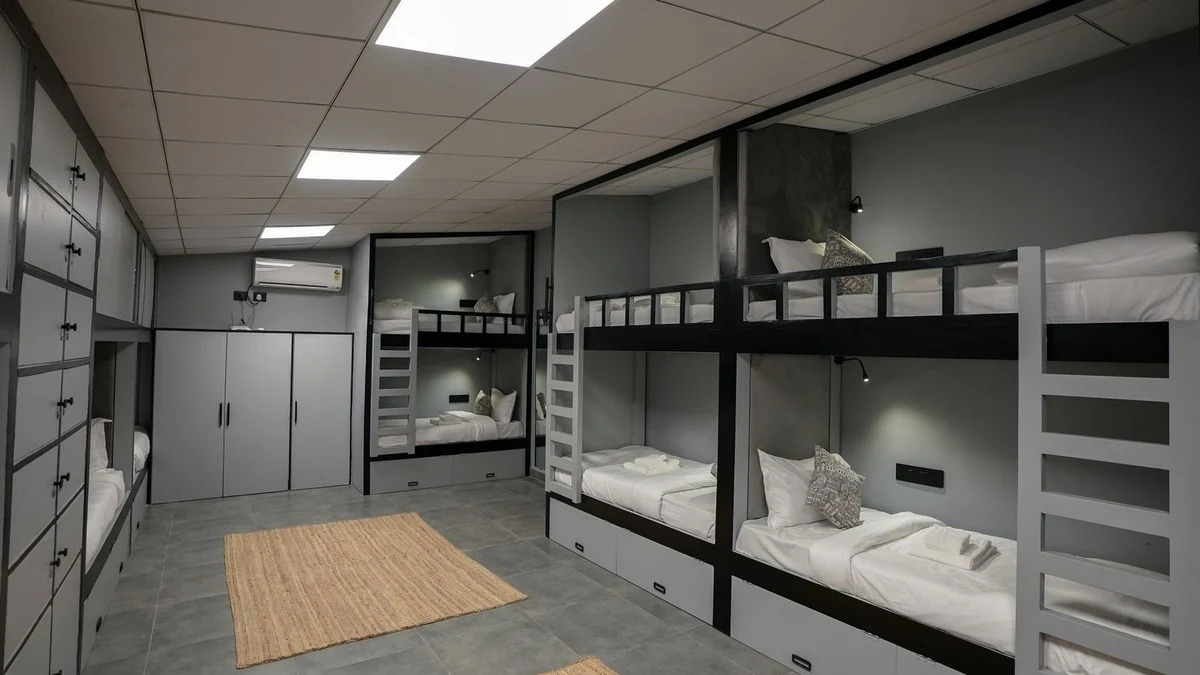
Our daily routine and hostel life guides cover the timetable; this piece is about the machinery underneath it.
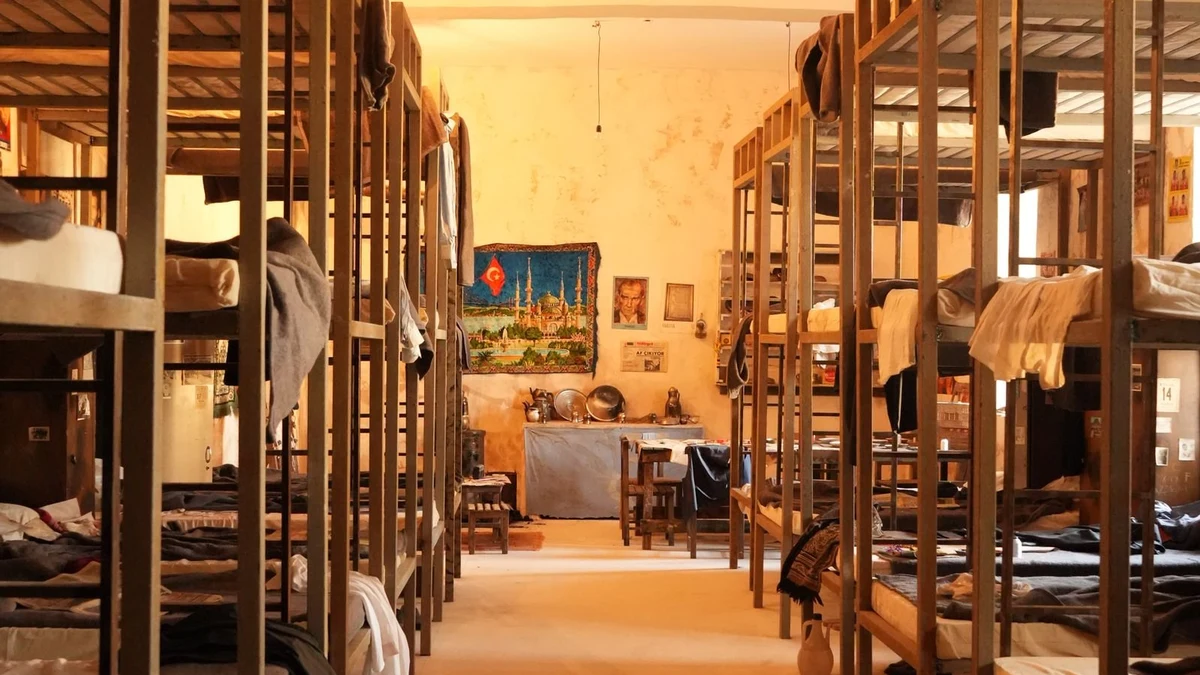 Photo: Pexels
The worry is obvious: your child has never done a full laundry load, and now he owns six uniforms. The Sainik School answer is structural — washing time is scheduled like a class. Sainik School Korukonda’s published school diary slots “Rest & Washing Clothes” every afternoon (2:10–3:25 pm) and a second slot, “Sick Report/Washing Clothes/Polishing shoes,” late evening. Washing is not a chore that might happen; it is an event on the routine, supervised like everything else.
The washing itself varies by school. Some have cadets wash their own clothes in these slots — seniors teach juniors, and it becomes a house skill. Others run a dhobi arrangement funded through the fee bill: Sainik School Balachadi’s reported 2024-25 schedule listed washing charges of ₹1,500 a year. EXPECTED: your school uses one of these two models; the joining instructions will say which. Either way, send enough sets of the listed clothing that a 2–3 day laundry cycle never leaves your child short.
“Cadets are not to keep long locks, beard etc.” — that line sits in standard Sainik School joining instructions under Dress and Deportment, and haircut compliance is checked during uniform inspections. So schools do not leave haircuts to parental reminders: Sainik School Bijapur’s official prospectus lists “Hair Cuts” among the expenses covered by the annual pocket-money deposit, and Sainik School Korukonda’s own magazine describes a “Cadet Amenity Centre” housing a barber shop. The barber visits on a fixed schedule or sits on campus, the cadet gets the regulation cut, and the small charge is debited from his pocket-money account.
EXPECTED: frequency and exact charge differ by school. Do not send your child in with a fashionable haircut on joining day — it will be corrected within the first week, and the first correction is the one that stings.
This is the system parents misunderstand most. Your child will not carry cash: Sainik School Jhansi’s parent guidelines state that cadets “are not permitted to keep any money in dormitories,” and “all their personal expenditure will be met from their Pocket money account.” Sainik School Kalikiri says the same — do not hand over money or send money orders.
Instead, parents deposit a fixed annual sum with the school at the start of the academic year. Sainik School Kodagu’s published Sainik Schools Society rules put the figure at ₹1,500 per year as pocket money plus ₹1,500 per year as incidental charges, with unspent balances carried forward — and parents top up whatever falls short. Sainik School Bijapur’s older official prospectus set the deposit higher, at ₹3,500, explicitly covering toiletries, postage, cinema and entertainment, educational trips, haircuts, breakages, and vacation journey expenses.
The pattern is consistent even where the number differs: the school holds the money, the child spends against it for approved small expenses, and the account is audited. EXPECTED: the exact figure for 2026-27 varies by school — check your school’s current fee circular. The non-negotiable part is identical everywhere: no cash in the dormitory, ever.
Sainik School Jhansi’s guidelines — typical of the system — welcome parents on the second Sunday only, 9 AM to 5 PM, and ask for phone calls on Sundays at allotted timings. Out-passes are sanctioned only on medical grounds. Letters are encouraged; the schools still treat a posted letter as part of the experience.
This is the logistics point that hurts most, so hear it plainly: the restrictions are not cruelty, they are the adjustment mechanism. Children who are visited and called on schedule settle faster than children whose parents negotiate exceptions. Our guide on whether your child is ready for boarding life covers the emotional side.
| Task | Who actually does it | Parent’s role | Source |
|---|---|---|---|
| Washing clothes | Cadet, in scheduled routine slots (Korukonda); or school dhobi (some schools) | Send enough clothing sets for a 2–3 day cycle | Korukonda school diary; Balachadi fee schedule (reported) |
| Haircuts | School barber / on-campus barber shop, charged to pocket money | Nothing — do not pre-cut fashionably | Bijapur prospectus; Korukonda magazine |
| Daily spending | Pocket-money account held by the school | Deposit the annual sum on time; never hand cash | Kodagu rules; Jhansi guidelines |
| Visiting | Second Sunday (typical), 9 AM–5 PM | Follow the schedule exactly | Jhansi parent guidelines |
| Phone calls | Sunday, allotted timings | Call on schedule; write letters too | Jhansi/Kalikiri guidelines |
| Out-pass | Medical grounds only | Plan family events in term breaks | Jhansi guidelines |
Every item maps to a system above:
Laundry slots, barber shops, pocket-money ledgers, visiting Sundays — these look like small administrative details, but they are the actual curriculum of the first term. A child who learns to wash his uniform in a 75-minute slot, keep his haircut regulation-ready, and spend from a fixed annual account has learned self-management before he ever sits for a class test. For the emotional side of that adjustment, see our first-month guide.
How do Sainik School students wash their clothes? Schools build washing time into the daily routine — Sainik School Korukonda’s published diary, for example, slots “Rest & Washing Clothes” every afternoon and a second washing slot at night. Some schools also charge a small annual washing fee for a dhobi arrangement. The exact system varies by school.
How much pocket money does a Sainik School cadet get? Parents deposit a fixed annual amount with the school — Sainik School Kodagu’s official rules list Rs 1,500 per year as pocket money plus Rs 1,500 as incidental charges, with unspent balances carried forward. Cadets are not allowed to keep cash in the dormitories; all spending comes from this account.
Who cuts the hair of Sainik School students? Most schools arrange regular barber visits or run an on-campus barber shop, and the cost comes out of the cadet’s pocket money. Regulation short hair is part of the dress code and is checked during inspections.
Can parents send money or gifts to their child at Sainik School? Do not hand over cash or send money orders — schools forbid cadets from keeping money in dormitories. All personal expenditure is met from the official pocket-money account. Visit-day snacks and approved items are fine, but cash is not.
When can parents visit their child at Sainik School? Most schools fix one visiting day a month — Sainik School Jhansi’s parent guidelines, for example, welcome parents on the second Sunday, 9 AM to 5 PM, and phone calls on Sundays. Exact days vary by school; check your school’s joining instructions.
What should parents send with their child on joining day? The school’s prospectus lists the initial clothing and equipment scale — each school publishes this in its joining instructions. Send exactly what is listed, no more; storage space in dormitories is limited.
How helpful was this article?