Last verified: 3 October 2026. This is a parenting guide drawn from boarding-school practice and published expert guidance — it contains no exam facts, and nothing here is a rule of the Sainik Schools Society. If a hard fact is stated, its source is linked.

Every January, thousands of families celebrate an AISSEE result. And every June, some of those same families discover something nobody asked them about in October: is my child actually ready to live away from home at age 10 or 11?
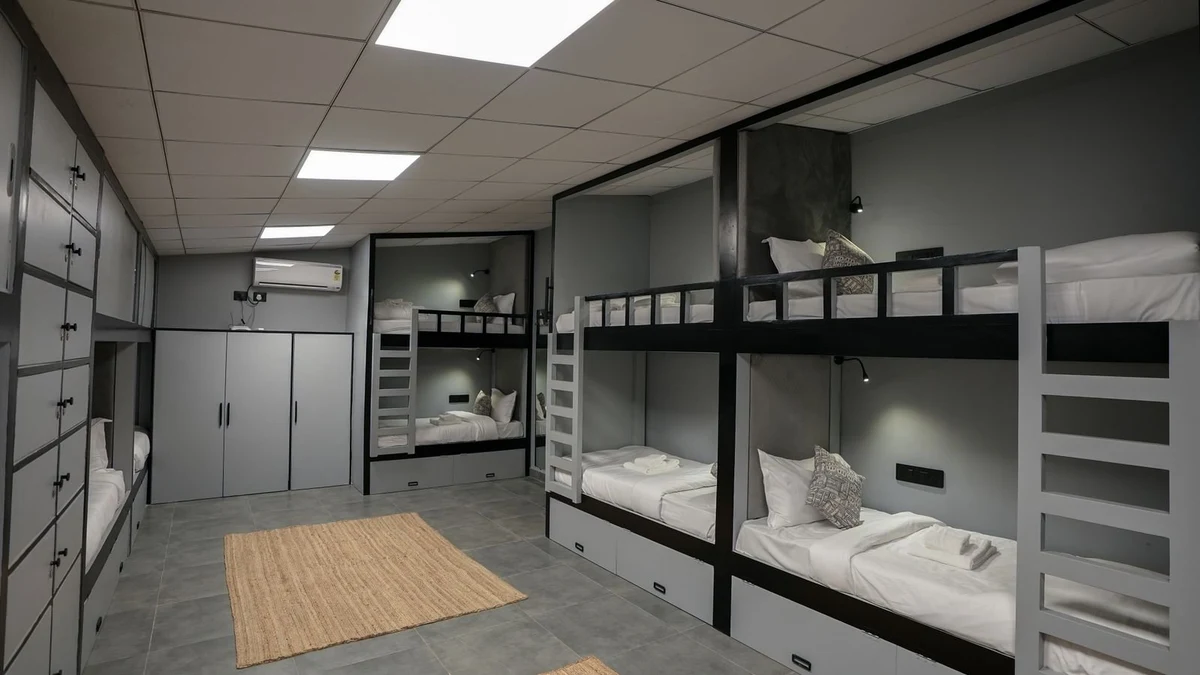
Academic preparation is only half the admission battle. Sainik Schools are fully residential — your child will sleep in a dormitory, wake to a 5:30 AM bell, eat in a mess hall, wash their own clothes and solve their own problems, all without you down the corridor. The child who thrives there isn’t necessarily the one with the highest mock-test score. It is the one who walked in ready.
The good news: readiness is not a fixed trait. It is a set of skills, and the months between now and admission are the perfect time to build them.
Score each statement honestly: 2 = yes, consistently; 1 = sometimes; 0 = not yet.
| # | Readiness sign | Why it matters in a Sainik School |
|---|---|---|
| 1 | Sleeps in their own bed without calling you at night | Dormitories are shared; night-time anxiety is the commonest early complaint |
| 2 | Gets up and ready by themselves in the morning | Reveille-style mornings start before 6 AM — no parent will wake them |
| 3 | Manages their own school bag, books and belongings | Losing things is the fastest route to daily stress in a hostel |
| 4 | Eats a variety of food without fuss | Mess-hall food is fixed; picky eaters struggle for the first month |
| 5 | Has spent 2–3 nights away from home (relatives’ house counts) without panic | The single best predictor of boarding adjustment |
| 6 | Asks adults for help when stuck, instead of shutting down | Housemasters can only help children who speak up |
| 7 | Handles losing an argument or a game without falling apart | Dorm life is constant friction with roommates; conflict resolution is daily |
| 8 | Follows a timetable without being reminded every hour | Sainik School days run on bells, not nagging |
| 9 | Does basic self-care: bathing, dressing, tidying | Nobody in the dorm does it for them |
| 10 | Shows some curiosity about living with friends | A child who wants the adventure adjusts twice as fast as one who was pushed |
| 11 | Can name their feelings when upset | “I’m homesick” gets help; silence gets misunderstood |
| 12 | Bounces back from a bad day within a day or two | Resilience, not toughness, is what boarding life rewards |
How to read the score: 20–24 — ready, keep building; 14–19 — on the way, work on the zeros this term; below 14 — treat this as your preparation curriculum, not a verdict. As the principal of The Scindia School advises, the child should be made a part of the decision and the transition explained as a journey of self-discovery, not sold as an endless adventure (source: Lokmat Times / IANS, June 2023).
Almost every new boarder feels it in the first weeks — missing familiar food, family conversation, their own room. It is not a sign the decision was wrong. Most children settle within the first term as routines and friendships take hold.
What parents can do (and not do), per boarding-school practice:
1. Independence, in daily doses. Stop packing their bag. Let them own one weekly chore completely — laundry, ironing, room cleaning. Let them forget something and face the consequence at school; a forgotten notebook at home is cheap tuition for boarding life.
2. Social comfort. Boarding school is 100 classmates in close quarters. Children who can join a game, introduce themselves and share a room adjust fastest. Family gatherings, sports clubs and group activities are practice ground. If your child is deeply introverted, that is fine — but make sure they have at least one friend-making strategy, not none.
3. Emotional vocabulary. The child who can say “I’m feeling homesick” or “my roommate upset me” gets help from a housemaster. The child who goes silent gets labelled difficult. Practise naming feelings at home the way you’d practise maths — casually, daily, without drama. If the pressure around the exam itself is already building, read our guide on motivating your child without pressure.
Here is the part nobody writes about: you will need to be ready too. The first month, you will want to call every day. You will want to rescue them from every bad dinner and every grumpy roommate. Don’t. The child who learns that every discomfort summons a parent never builds the muscle boarding school exists to build.
Trust the institution — housemasters and teachers in Sainik Schools have settled thousands of nervous 11-year-olds before yours. Stay in your lane: scheduled calls, term breaks, and the steady background belief that your child is handling it. Once admission formalities conclude, the post-result guide walks you through counselling, medicals and what joining day looks like.
What is the right age to send a child to boarding school? There is no single right age — readiness depends on the child’s independence, emotional maturity and attitude toward the move, not just the calendar. AISSEE admits children aged 10–12 (Class 6), and thousands adjust well each year with preparation.
Is homesickness normal in boarding school? Yes, almost universal in the first few weeks. Most children settle within the first term as routines and friendships form. Persistent, severe homesickness needs a conversation with the housemaster — not an immediate decision to pull the child out.
How can parents prepare a child for Sainik School hostel life before admission? Practice independence in small steps (packing, morning routine, managing belongings), arrange sleepovers away from home, teach basic self-care, talk honestly about dorm life, and involve the child in the decision to apply.
Should I force a reluctant child to join a Sainik School? No. A child who feels dragged to boarding school starts with resentment, which makes adjustment far harder. Explore the reasons behind the reluctance first — fear of the unknown is fixable; deep opposition is a signal to pause.
How often can parents contact children in Sainik Schools? Most Sainik Schools allow weekly phone calls and scheduled visiting days, with rules set to help new students settle. Respect the school’s communication policy in the first weeks — constant contact can delay adjustment.
How helpful was this article?