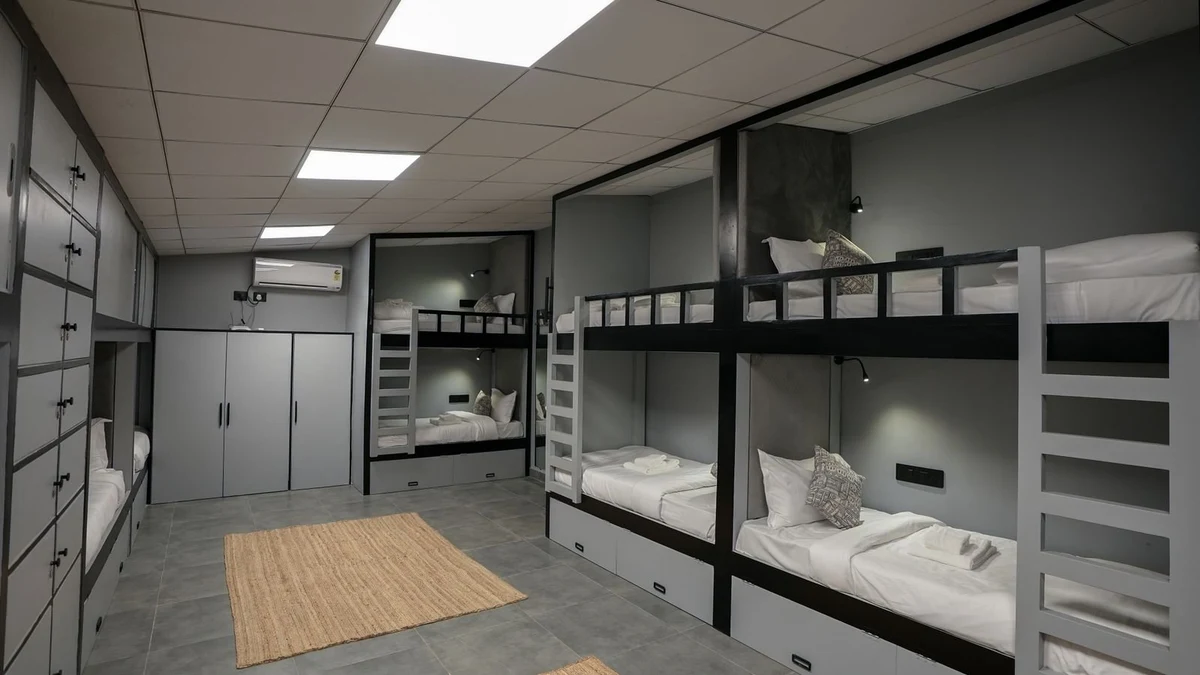
Last verified: 14 October 2026 (Wednesday, evening). This guide contains no exam statistics — it is parenting guidance built around the five readiness pillars below. Where it touches school routine, it is aligned with our companion guides: homesickness in Sainik School and how often parents can visit.
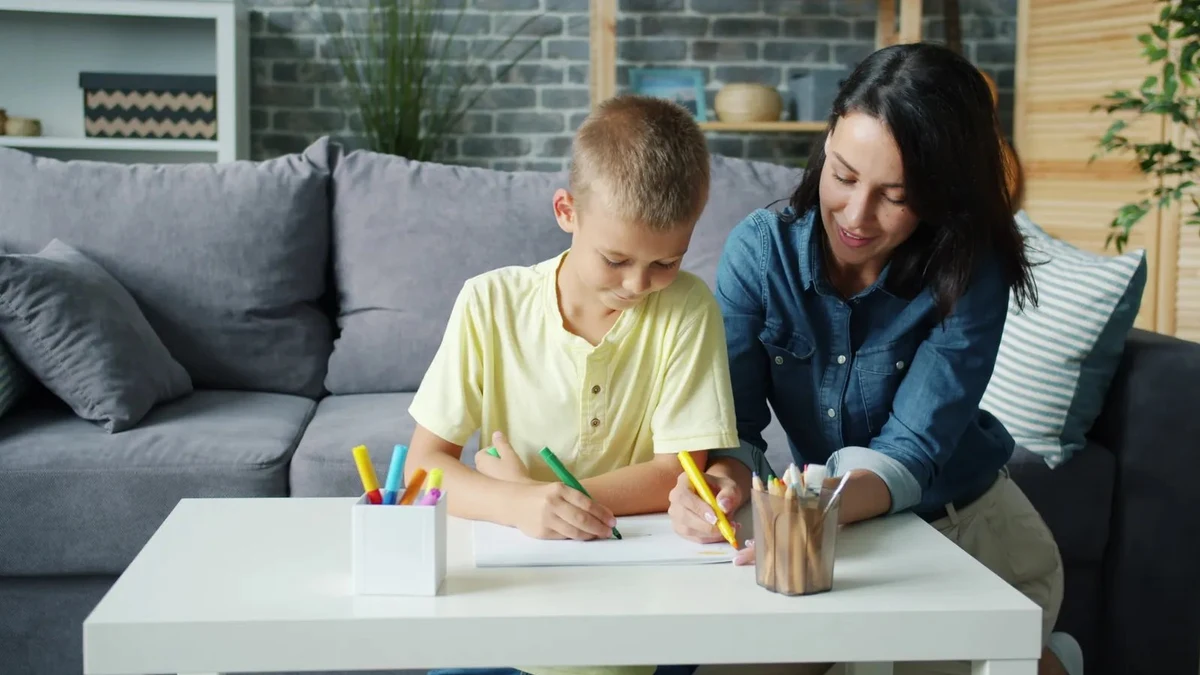
Most families discover emotional readiness the hard way — three weeks after admission, when the child who topped every tuition test calls home every evening, voice shaking, asking to come back. AISSEE measures maths, language, intelligence and GK. It does not measure whether a ten-year-old can sleep in a dormitory, share a bathroom with forty boys, or tell a warden about a problem without bursting into tears.
This guide is not about whether Sainik Schools are good. It is about whether your child, right now, is ready for what a Sainik School actually is: a military-style boarding environment with strict schedules, limited parental contact, and almost no private space. Answer honestly, and either outcome is a win — a confident child goes prepared, and an unready one gets time to grow.
This is the emotional companion to our logistics check, Is Your Child Ready for Sainik School Boarding Life? — read both.
Child psychologists describe boarding readiness not as toughness but as five capacities. Score your child 0–2 on each below (0 = not yet, 1 = sometimes, 2 = reliably). There is no shame in a low score — there is only information.
Can your child name a feeling, sit with it for an hour, and function anyway? Boarding life produces daily friction — a bad mark, a lost game, a harsh word from a senior. At home, the recovery room is a parent’s lap. In the hostel, it is the child alone in a bunk. A child who needs a parent to regulate every emotion will find the first month genuinely painful.
Green signs: apologises without being forced; recovers from disappointment within a day; can describe why they are upset in words, not just tears.
Sainik School puts your child in a dormitory with children from other states, languages, and food habits. This is one of its finest features — and one of its hardest. A child who has only ever had two neighbourhood friends needs practice at building new relationships from scratch.
Green signs: made a friend on their own at a camp, tuition, or relatives’ function; can share space and negotiate conflicts without an adult referee; shows curiosity, not contempt, about different habits.
Brush, bathe, eat, wash clothes, manage money, keep belongings — at home these are reminders; at the hostel they are responsibilities. Emotional breakdowns at boarding school often start as practical failures: lost uniform, unwashed clothes, falling ill because nobody noticed.
Green signs: manages morning routine alone; keeps their room roughly in order; can eat mess-style food (simple, repetitive, nobody’s favourite) without a drama.
A housemaster is not a father. A PT instructor is not a mother. Instructions arrive fast, loudly, and impersonally — and punishment at Sainik School means push-ups or extra drill, not a lecture with hugs after. Some children accept this immediately. Some hear shouting and shut down for days.
Green signs: has followed instructions from coaches, tutors or camp counsellors without visible distress; can accept criticism without collapsing or raging.
The hardest pillar, and the least discussed. Some children genuinely cannot sleep away from home at ten — and that is developmentally normal, not a flaw. A Sainik School hostel allows limited visits and phone time; separation is the deal, not a bug.
Green signs: has slept over at relatives’ without calling home past midnight; can go a full day of school, tuition and play without needing to see a parent.
Sit with your child and score 0–2 on each pillar honestly. 8–10: ready — proceed with confidence. 5–7: almost there — use the 6-month plan below to close the gaps. 0–4: not yet — and that is completely fine. A child who goes at twelve, ready, does better than one who goes at ten, unready.
Do it with the child, not about them. Children smell a test from a mile away. Frame it as: “Sainik School is a big adventure, and I want us to train for it like an adventure.”
Here is what parents must internalise: homesickness follows a rough calendar, and it is normal.
| Phase | When | What it looks like |
|---|---|---|
| Honeymoon | Week 1–2 | Excitement, everything is new, calls home are cheerful |
| The dip | Week 3–6 | Tears, appetite loss, “I want to come home”, declining calls |
| Adjustment | Week 7–10 | Routines click, first real friends, calls become stories instead of complaints |
| Belonging | Term 2 | The school becomes “my school”; going home for vacation feels like visiting |
If the dip runs past six weeks at the same intensity, loop in the housemaster. Our full playbook is at Homesickness in Sainik School: How Parents Can Help — bookmark it now, read it the first week of admission.
Start this as soon as AISSEE preparation does. Emotional readiness is trainable.
Months 6–5 — small separations. Weekly sleepovers at relatives’. Let the child handle one full day alone: school, homework, play, dinner. Resist the rescue instinct.
Months 4–3 — self-management reps. Child manages their own morning routine without reminders. One household responsibility that is theirs — watering plants, ironing school clothes, weekly pocket-money budgeting.
Months 2–1 — camp experience. A 5–7 day summer or sports camp is the single best rehearsal for hostel life: shared dorm, fixed schedule, unfamiliar food, zero parents. Watch how the child fares; that is your most honest readiness data.
Final month — the conversations. Three talks, spaced out, no pressure: (1) what a normal day at Sainik School looks like — the 5:30 AM wake-up, the drills, the study hours; (2) that homesickness is expected and temporary, with your promise to keep calls regular but short; (3) that coming home is not plan B — the plan is adjusting, and you are a team on that.
These are not character flaws; they are timing signals. Waiting a year costs nothing. Sending an unready child costs a year of misery and sometimes the child’s trust in your judgement. Remember the first commitment of this whole journey: keep the child motivated, not cornered.
If your child says, “I don’t want to go,” do not open with logic. Open with this:
“Tell me the three things that scare you most about it. I’m not trying to change your mind tonight — I just want to understand.”
Listen. Write them down. Then, over the next weeks, address each fear with information — the visiting rules, the real dormitory life, the friend-making reality — not with “but the career is amazing.” Children do not trade fear for futures. They trade fear for familiarity.
A Sainik School will not make your child tough. It will reveal whether your child is ready to become tough — and readiness, unlike AISSEE marks, is something you can build together, starting tonight.
How do I know if my child is emotionally ready for boarding school?
Look for five capacities: managing feelings without a parent, making friends independently, handling daily self-care, following non-family authority, and tolerating separation. Readiness across all five is a green light; gaps are a work plan.
What is the biggest emotional risk at a Sainik School?
Homesickness in weeks 3–6 of the first term. It is expected, it peaks, and it usually fades as routines and friendships form — provided you talk about it honestly before admission.
Should I send a homesick child to boarding school anyway?
Mild homesickness is normal. Persistent anxiety, sleep problems, or outright refusal to discuss separation are signals to delay and prepare, not to push through.
Can a child become emotionally ready in a few months?
Yes. Sleepovers, self-managed routines, conflict resolution without parental rescue, and ideally a 5–7 day camp — a focused 6-month plan works for most children aged 10–14.
What should I do when my child calls home crying in the first month?
Listen without panicking, normalise it, don’t promise early withdrawal, keep the call short and warm. Daily distress beyond six weeks means a conversation with the housemaster.
Photo: Pexels
How helpful was this article?