Last verified: 10 October 2026. All hard facts here are CONFIRMED from multiple independent education reports (EdexLive, Times Now/PTI, News89) describing the Ministry of Defence’s own statements on the New Sainik Schools scheme. Numbers on approved schools reflect mid-2026 reporting — EXPECTED to have moved since; verify against the current AISSEE information bulletin before making choices.
Two parents ask me the same thing every admission season: “There is a Sainik School near our city that is run by a private trust — is it the real thing?” The honest answer is that there are now two genuinely different kinds of institutions sharing the Sainik School name, and the difference matters for your pocket, your child’s daily routine, and your expectations. Here are the seven differences that actually matter.
The 33 original Sainik Schools — from Kazhakootam, the first under the Ministry of Defence’s scheme, to Korukonda, Kunjpura and the rest — are fully government institutions run by the Sainik Schools Society under the Ministry of Defence. New Sainik Schools (officially “New Sainik Schools in partnership mode,” colloquially PPP Sainik Schools) are private schools, NGOs, trusts or state government schools that have been affiliated with the Sainik Schools Society under the scheme the Union Cabinet approved in October 2021. They stay their own institutions; the Society gives them the framework and oversight, not ownership.
The government was explicit about the motive: Sainik School-style education — discipline, leadership, NDA preparation — should reach more students than 33 campuses can hold, without the Centre building and staffing every new campus itself. The target was 100 new schools. It is an access play, not a replacement.
Original schools are highly subsidised because the government pays the bills. New Sainik Schools charge whatever the partner school charges, which is often meaningfully higher. The safety net: the Ministry of Defence provides financial support on a merit-cum-means basis — up to 50% of the fee, subject to a ceiling of Rs 40,000 per student per year, for up to 50% of the class strength (maximum 50 students per class). Translation for parents: do not assume the fee you see is the fee you will pay — but do not assume you are in the subsidised half either. Ask the school in writing how many merit-cum-means seats it had last year.
Original schools are built and inspected by the government itself. New Sainik Schools go through a gauntlet: an online application, a Documents Scrutiny Committee of five serving uniformed officers, then a physical inspection by a School Evaluation Committee headed by the District Magistrate alongside the principals of the local Navodaya/Kendriya Vidyalaya and the nearest Sainik School, and finally an Approval Committee with the Sainik Schools Society’s honorary secretary and a Brigadier-rank officer. It is serious scrutiny — but a school can still clear paperwork and deliver a weaker on-ground experience, which is why difference 7 matters.
New Sainik Schools must deliver the Academic-Plus curriculum prescribed under the Sainik School framework — the discipline, physical training and value-education layer — but they keep their own regular board curriculum (CBSE or otherwise) underneath it. The original 33 are CBSE residential schools built from the ground up around one routine. If you are choosing between a new PPP school and an original school, the question is not “which syllabus” but “which daily life.”
Here is what surprises many families: admission to both types goes through the same AISSEE, conducted by NTA. The AISSEE 2026 bulletin added three new partnership schools to the participating list — Srri SPK Public Senior Secondary School (Namakkal, Tamil Nadu), Vadem Nagar Higher Secondary School (Vasco-Goa), and Yogeshwari Sainik School, Ambajogai (Maharashtra). During counselling you rank your school preferences across both categories. One exam, but the school list changes year to year — never assume last year’s list.
The original schools are residential institutions with decades of alumni — the Ghorakhal campus alone claims over 800 NDA entrants. A brand-new PPP school affiliated two years ago simply cannot have that depth of military-preparation culture yet. Some partner schools are excellent; the point is that the name on the gate is a beginning, not a guarantee. Visit. Talk to current parents. Ask: how many of your students attempted NDA/UPSC-NDA last year, and how many cleared written?
| Feature | Original 33 Sainik Schools | New (PPP) Sainik Schools |
|---|---|---|
| Ownership | Fully government (Ministry of Defence) | Private/state/NGO partners, affiliated |
| Count | 33 (CONFIRMED) | 100 targeted; ~79 operational per mid-2026 reporting (EXPECTED) |
| Fees | Highly subsidised by government | School sets own fees; MoD merit-cum-means support up to 50% (capped Rs 40,000/yr) |
| Admission | AISSEE | Same AISSEE, same counselling |
| Curriculum | CBSE + Sainik School framework | Own board curriculum + Academic-Plus framework |
| Girls admission | Admitted (10% seats reserved per NTA policy, CONFIRMED) | Admitted where the partner school offers it |
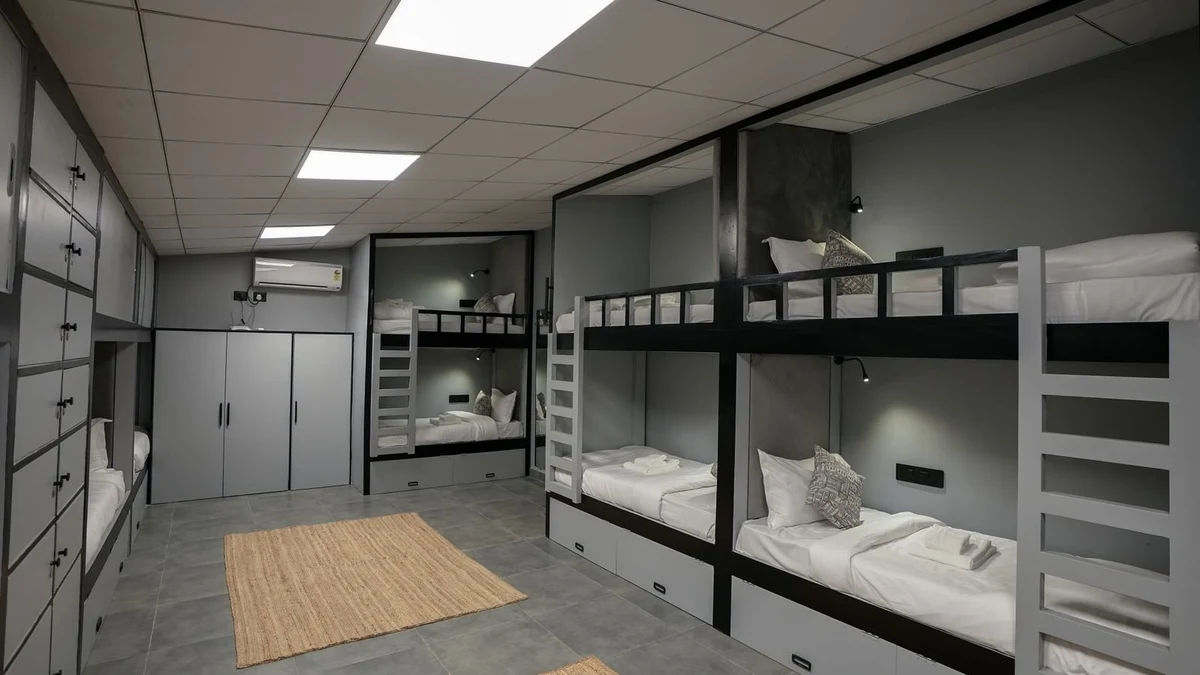
| Residential | Fully residential | Varies — many residential, some day-boarding |
If you are weighing these against completely different systems, our comparisons of old vs new Sainik Schools and Sainik School vs Sports School may help you think through the trade-offs.
Photo: Pexels
Are PPP or New Sainik Schools recognised the same as government Sainik Schools? Yes, for admission purposes. New Sainik Schools function under the aegis of the Sainik Schools Society and admit students through the same AISSEE. They are distinct institutions from the 33 original government-run schools.
Are fees higher in New (PPP) Sainik Schools? Usually, yes. The 33 original schools are fully government-funded and highly subsidised. PPP schools set their own fee structures, though the Ministry of Defence provides merit-cum-means support of up to 50 percent of the fee (capped at Rs 40,000 per student per year) for up to half the class strength.
Is the AISSEE syllabus the same for both types of Sainik Schools? Yes. Admission to both happens through the same AISSEE, and the Academic-Plus Sainik School curriculum framework applies to New Sainik Schools too, alongside their regular board curriculum.
How many New Sainik Schools are operational now? The Union Cabinet approved a target of 100 New Sainik Schools in October 2021. As of mid-2026 reporting, 86 had been approved across three rounds and 79 were operational, with a fourth approval round in process. Check the latest AISSEE information bulletin for the current list.
Can I list both types of schools in my AISSEE choices? Yes. The AISSEE counselling lets you express preferences across participating schools, including New Sainik Schools. Check the participating-schools list in the current year’s information bulletin before assuming a particular school is included.
Do New Sainik Schools have the same military-style training? They follow the Sainik School framework of discipline, physical training and the Academic-Plus curriculum, but the depth of the residential and military-preparation environment varies by school. Visit the campus and ask specifically about NDA-track preparation before deciding.
How helpful was this article?