
Last verified: 10 October 2026. The AISSEE application form will ask you to list school preferences — and this year that list mixes two very different kinds of institutions: the 33 original Sainik Schools and the newer partner schools. Below, old vs new is compared only on confirmed facts, with expectations clearly marked EXPECTED. School-specific fees and facilities must always be checked in the AISSEE 2027 bulletin once NTA releases it.
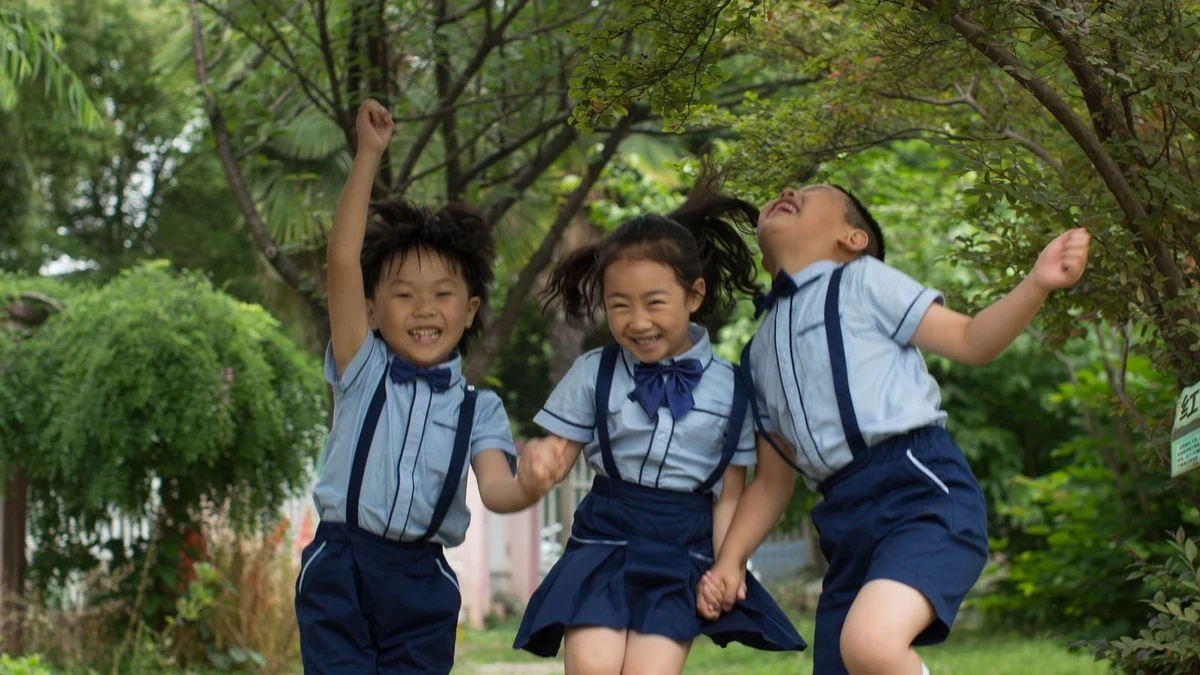
Every year, thousands of parents fill the AISSEE form assuming every school on the preference list is the same kind of institution. It isn’t. There are the original 33 Sainik Schools — the residential campuses most parents picture — and there are the New Sainik Schools, a partnership-mode expansion the Ministry of Defence began approving in 2022. Both admit through the same AISSEE, both follow the CBSE pattern, but who runs them and how they charge you are completely different.
Getting this right matters because choice-filling is not a formality: your preference list directly decides which school your child is allotted a seat in. So let’s go through the differences honestly.
The first Sainik School opened in Lucknow in 1960, and the scheme built around it now covers 33 schools across India. These are the schools with the full legacy: residential campuses run by the Sainik Schools Society, an autonomous organisation under the Ministry of Defence (we confirmed this wording on the NTA portal’s own “About” page this week). They are English-medium, CBSE-affiliated, and jointly funded by the Central and state governments — which is why their fees stay subsidised compared to a private boarding school.
What parents are really buying into here is sixty-plus years of military culture: structured daily routine, drill, house systems, and alumni networks that include hundreds of NDA and service-academy officers. Admission for girls began in the 2021-22 session, so the old campuses are now co-ed where the bulletin allows.
In March 2022 the Ministry of Defence approved 21 New Sainik Schools in the first phase of an initiative targeting 100 such schools in partnership mode — meaning existing private, NGO, trust, or state-government schools that apply, meet the Society’s standards, and are approved to function as Sainik Schools. (The March 2026 announcement by the Defence Minister at Sainik School Ghorakhal’s Diamond Jubilee reaffirmed the 100-school target under the PPP route.)
The approved schools are of two kinds: brownfield — schools already running that convert to the Sainik School model — and greenfield — new campuses set up under the scheme. Reported breakdown of the first 21: 12 run by NGOs, trusts, or societies, 6 by private bodies, and 3 owned by state governments. New schools keep appearing in each AISSEE cycle — in October 2025 three more were added via a Sainik Schools Society public notice (a residential school in Namakkal, Tamil Nadu; a residential school in Vasco, Goa; and a day-boarding school in Ambajogai, Maharashtra). For the AISSEE 2026 cycle, reporting put the count at 69 new schools offering Class 6 seats and 19 new ones for Class 9.
The key practical difference: unlike the old schools, which are uniformly residential, new schools come in both residential and day-boarding forms. Day-boarding means your child studies in the Sainik School system but sleeps at home — a completely different life from the 24x7 residential culture.
| Point | Old Sainik Schools (33) | New Sainik Schools |
|---|---|---|
| Run by | Sainik Schools Society, Ministry of Defence | Partner institutions (NGO / trust / private / state govt), approved by Ministry of Defence |
| Funding | Jointly by Centre and state governments | Partner-run; government support per scheme terms |
| Boarding | Fully residential | Residential or day-boarding — varies by school |
| Legacy | Since 1960–61; deep military culture and alumni networks | A few years old; culture varies by partner institution |
| Fees | Subsidised; published school-wise fee schedule | Each school sets its own fee structure — check the prospectus |
| Medium & board | English, CBSE-affiliated | Follow CBSE-pattern curricula under the Society’s standards |
| Girls | Admitted since 2021-22, school-wise | Admit via AISSEE where the bulletin lists them |
| Admission route | AISSEE (NTA) | AISSEE (NTA) — listed in the bulletin’s participating-schools appendix |
| Uniform | Standard Sainik School uniform | Sainik School identity per Society guidelines |
One thing that does not differ: the exam itself. Whether your child aims for an old or a new school, they sit the same AISSEE — Class 6 in 13 mediums (150 minutes, 300 marks), Class 9 in English (180 minutes, 400 marks) — with the 25%-per-section, 40%-aggregate qualifying rule.
There is no universally “better” choice — only a better fit. Work through this before choice-filling:
The old schools offer proven culture and subsidised fees. The new schools offer more seats, often closer to home, but with fees and quality that vary school to school. Rank your preferences on facts per school — fees, boarding type, distance, track record — not on the assumption that the word “Sainik” guarantees identical things everywhere.
What is the difference between old and new Sainik Schools? Old Sainik Schools are the 33 schools run directly by the Sainik Schools Society under the Ministry of Defence, fully residential. New Sainik Schools are partner schools approved by the Ministry of Defence in partnership mode with NGOs, trusts, private bodies, and state governments — some residential, some day-boarding.
Do new Sainik Schools admit through AISSEE? Yes. New Sainik Schools admit Class 6 and Class 9 students through the same AISSEE conducted by NTA, and they are listed in the AISSEE information bulletin’s participating-schools appendix.
Are the fees the same in old and new Sainik Schools? No. The 33 old Sainik Schools are subsidised by the Centre and states with a published fee schedule. New Sainik Schools are run by partner institutions and set their own fee structure — check each school’s prospectus before choice-filling.
Which is better for NDA preparation: old or new Sainik School? The old schools have six decades of military culture and alumni networks, but what matters most is the school’s own track record. Compare individual schools on results, faculty stability, and facilities rather than assuming old is always better.
How many new Sainik Schools are approved now? The Ministry of Defence approved 21 new schools in the first phase (March 2022), and the initiative targets 100 new schools in partnership mode. Three more were added via an October 2025 public notice. The full current list will be in the AISSEE 2027 bulletin.
How helpful was this article?