It is 8 PM. The mock-test answer key is out. Your child scored — and I will not pretend the number is fine — badly. Maybe 40% of what they usually get. They are quiet, or angry, or have locked the bedroom door. And somewhere in the house, a parent is doing the maths: if this is the mock, what happens in January?
Breathe. A bad mock is one of the most useful things that can happen in AISSEE preparation — if the house handles the next 48 hours right. This guide is that playbook: what to say tonight, what to do tomorrow, and when skipping the next mock is the bravest decision of all.
Last verified: 20 October 2026. This is a parenting guide, not a news piece. Exam-structure facts (no negative marking in AISSEE, mock cadence guidance) follow the site’s standard preparation references; no statistics are invented — everything below is advice, not data.
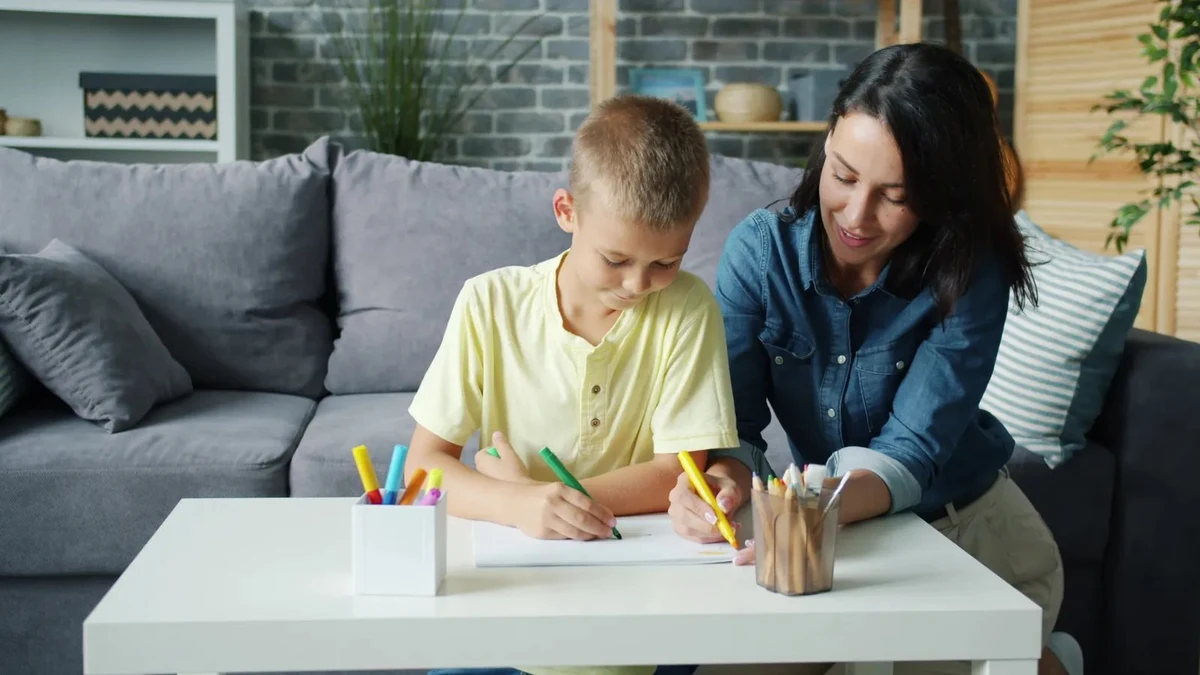
 Photo: Pexels
The first hour after a bad score sets the emotional temperature for the whole week. Most parents default to one of two reactions — disappointment (“we paid so much for coaching”) or false cheer (“it’s just a mock, don’t worry”). Children see through both. Try this instead, in your own words:
One hard rule for tonight: nobody cries alone while the family discusses their marks. If the evening is going badly, stop the conversation entirely. The error analysis will still be there in the morning.
A bad mock is only valuable if the mistakes get captured. The morning after, sit with your child for twenty minutes — not two hours — and build a simple error log. The point is diagnosis, not punishment.
| Column | What goes in it | Example |
|---|---|---|
| Q. no | Question number | Q. 23 |
| Topic | The chapter it tested | Fractions — unlike denominators |
| Why I got it wrong | The real reason, honestly | Rushed; didn’t read the last line |
| Fix | One concrete action | 10 fraction word-problems on Thursday |
| Status | ☐ / ☑ | ☐ |
The “why” column is the whole game. Most bad mocks are not knowledge failures — they are time failures, reading failures, or bubbling failures. A child who lost 15 marks to misread questions does not need more chapters; they need slower reading. Our guide to handling exam pressure covers the calm-under-time techniques that fix exactly this.
After the log, count the pattern, not the marks: how many errors were silly mistakes, how many were genuinely unknown concepts, how many were time-outs? Then — and only then — plan the week’s study around the biggest bucket. That is what a proper mock-test routine looks like: mock, log, fix, repeat.
The instinct after a bad score is to double the workload — more hours, more papers, more tuition. Resist it. A child who just failed needs evidence that effort works, and evidence comes from small, visible wins:
Here is the part most guides won’t say: sometimes the bravest parenting move is to cancel the mock. Skip it — guilt-free — if any of these are true:
Skipping does not mean stopping. Replace the full mock with a gentle 45-minute timed chapter set on a strong topic, and restart full mocks after a 5–7 day breather. A child who returns willingly will gain more from one paper than a terrified child gains from three.
And one final truth worth saying out loud at the dinner table: mocks exist so that the bad days happen in October, not in January. Every mistake your child makes on a practice paper this month is one they will not make on the real one — but only if the house treats the mock as a teacher, not a judge. If you’d like help keeping the whole preparation calm, motivating without pressure is the companion piece to this one.
My child got a very low score in an AISSEE mock. Should I be worried? A mock score is a diagnosis, not a verdict. One bad mock mainly tells you where the weak chapters are — it predicts nothing about January. What matters is whether the mistakes get analysed and fixed in the week after, not the number on the answer sheet.
Should my child take the next mock test immediately after a bad one? Usually not the next day. The right gap is 5 to 7 days, used to fix the errors from the bad mock first. If your child is refusing mocks out of fear rather than fatigue, a shorter, easier practice set — not a full paper — breaks the avoidance without pressure.
What should I say to my child right after a bad mock test? Start with calm and curiosity, not the score. Ask what felt hardest, agree that feeling bad is normal, and keep the marks off the dinner table. The 20-minute error log the same evening turns the pain into a plan — scores get reviewed, children don’t.
How many mock tests should an AISSEE aspirant take before the exam? Quality beats quantity. A realistic cadence is one full mock every 7-10 days in the final three months, each followed by a proper error review. Ten well-analysed mocks teach far more than thirty hurried ones.
My child is scared of mocks now. Is skipping one ever the right call? Yes. If the child is sleeping badly, crying before papers, or physically unwell, skip the mock — no paper is worth a breakdown. Replace it with a gentle timed chapter-set and restart full mocks after a 5-7 day breather.
How helpful was this article?